
 Deutsch (Deutschland)
  English (United Kingdom)
 - Details
- Written by: Amardeo Sarma
Practical Learning, Critical Thinking and Environmental Action at Kasese Municipal High Humanist School in Uganda
From 28 September to 2 October 2026, students at Kasese Municipal High Humanist School took part in a week of hands-on scientific learning, experiments, field activities and environmental initiatives as part of the school’s annual Science Week. The aim was to strengthen students’ scientific literacy, critical thinking and practical problem-solving skills, and to demonstrate how observation, experimentation and evidence help us distinguish reliable knowledge from assumptions and wishful thinking.
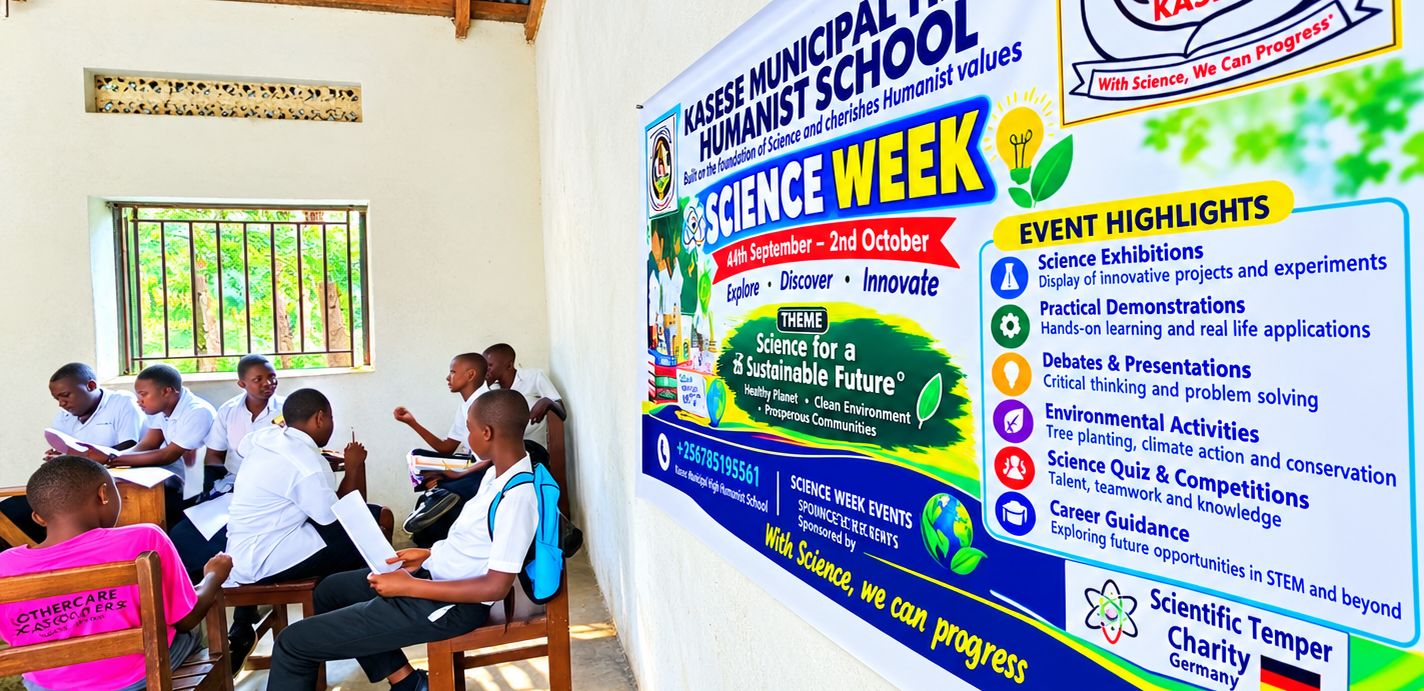
Science comes to life when students move beyond textbooks and investigate the world for themselves. Throughout the week, learners explored how scientific knowledge and methods can be applied to agriculture, health, environmental conservation, technology and community development.
From Scientific Concepts to Real-World Applications
The programme began with an introduction to scientific thinking and project planning. Students discussed how projects are developed, how challenges can be identified and addressed and how ideas can be turned into initiatives that benefit communities.
Participants also learned about scientific communication, including the importance of using clear and precise language when describing observations, evidence, and conclusions.
Geography and Modern Technology
The second day focused on geography and navigation skills. Students worked with maps and grid references and learnt how Global Positioning System (GPS) technology is used for navigation, positioning, and collecting geographical data.
By combining traditional map-reading skills with modern GPS technology, students learned how geographical knowledge can be applied to navigation, positioning and data collection in everyday and professional contexts.
Learning Through Experimentation
Science Week offered plenty of opportunities for hands-on experimentation.
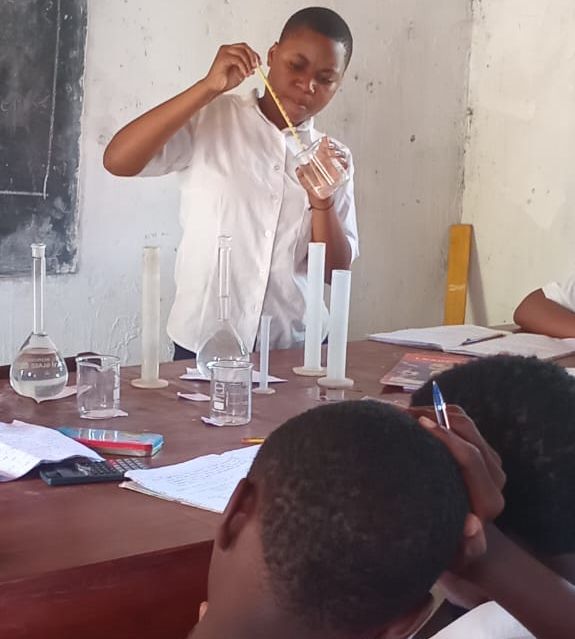
Experimentation lies at the heart of science; rather than accepting ideas simply because they seem plausible or correspond to our desires, we test hypotheses against reality. This is how science produces reliable knowledge and protects us from wishful thinking. Even when students investigate well-established theories, conducting the experiments themselves helps them to understand the evidence on which those theories are based.
Students investigated the effects of temperature on diffusion, explored Hooke's law through hands-on measurements and applied mathematical reasoning to solve practical problems.
Agricultural activities included preparing organic fertilisers and discussing sustainable farming practices, soil health, and environmentally responsible food production.
Chemistry sessions allowed learners to observe chemical reactions first-hand, including experiments involving heat production, neutralisation reactions, solubility, and the effects of heat on salts.
Through these activities, students practised making observations, taking measurements and comparing results with scientific expectations.
Environmental Stewardship in Action
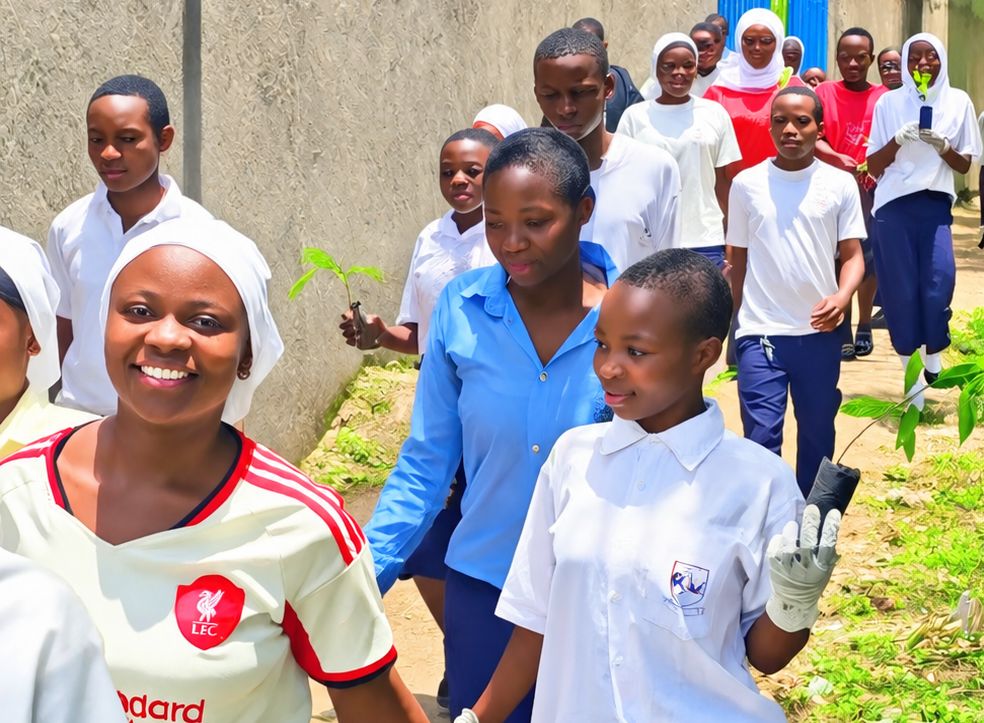
One of the week's highlights was a large-scale tree-planting activity involving students and teachers.
As part of a broader commitment to environmental conservation and sustainability, indigenous trees, fruit trees and species with medicinal value were planted across the school grounds.
The students also set up a tree nursery to provide seedlings for future planting activities and to support outreach efforts within the local community.
This initiative showed that science education is not only about understanding the natural world. It can also provide the knowledge needed to take responsible and practical action.
Exploring the Diversity of Life
Biology activities included taxonomy exercises, during which students examined and classified various insects. They also carried out food tests using laboratory reagents to identify the nutrients present in different food samples.
These practical sessions strengthened students’ observational skills and their ability to draw conclusions from evidence.
The Director's Perspective
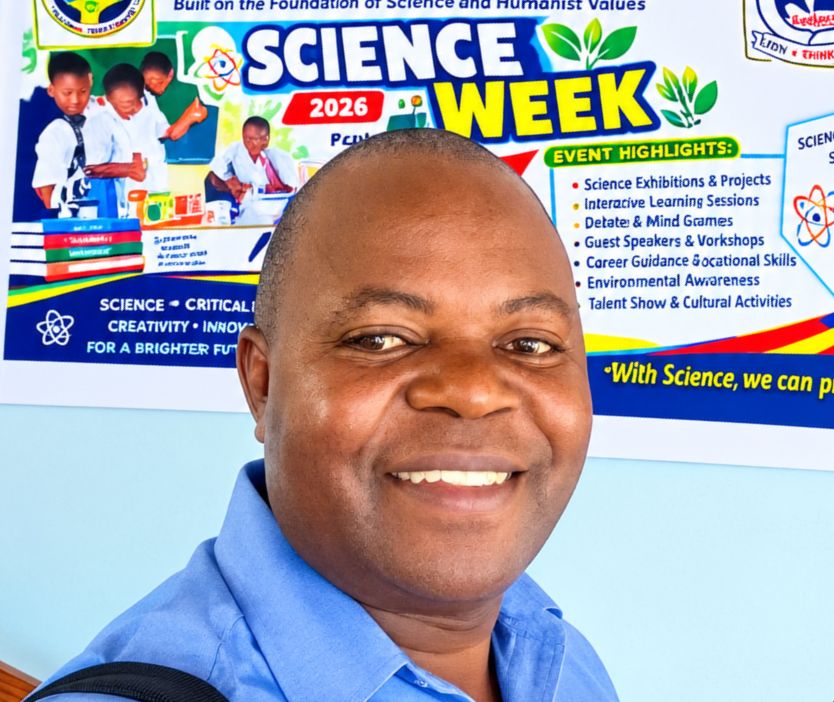
But what long-term goals does the school pursue through its regular Science Weeks? We asked the director, Robert Musubaho Bwambale. He replied:
At Kasese Municipal High Humanist School, we organise Science Weeks to inspire students to appreciate science, develop critical thinking, and understand how scientific knowledge can help address real-life challenges in their communities. We believe that education should go beyond classroom theory by giving students opportunities to conduct experiments, ask questions, explore ideas, and develop practical solutions based on evidence and reason.
Through Science Weeks, we aim to nurture curiosity, creativity, innovation and confidence among our students while encouraging them to pursue careers in science, technology, engineering and mathematics. Our hope is to raise a generation of young people who use science and humanist values to improve their communities, protect the environment, and contribute to a healthier, more sustainable and prosperous future.
Why this matters
Scientific Temper believes that science education is about far more than academic achievement. It equips young people with the skills to think critically, evaluate evidence, solve problems and engage constructively with the challenges facing their communities and the wider world.
By learning to test ideas against observation and evidence, students become better able to assess competing claims and make informed decisions.
The Science Week at Kasese Municipal High Humanist School demonstrated how practical learning can inspire curiosity, build confidence and connect scientific knowledge with real-world challenges.
We thank Robert Musubaho Bwambale, the teachers, the school leadership and, above all, the students for making the event a success and for their commitment to scientific inquiry and lifelong learning.
Looking Ahead
Scientific Temper is proud to support initiatives that strengthen science education and critical thinking, particularly where access to practical learning opportunities can make a lasting difference.
The success of Science Week 2026 shows what can be achieved when educators, students and supporters work together to create meaningful learning experiences.
We look forward to continuing our partnership with the school and supporting future educational initiatives that help young people develop the knowledge, skills and curiosity needed to shape their own future and contribute to their communities.
- Details
- Written by: Amardeo Sarma
Promoting Scientific Thinking Through Practice and Educational Support
From 8 to 12 June 2026, Kasese Municipal High Humanist School in Uganda held its second Science Week this year.
The five-day program combined practical experiments, targeted academic support, and real-world learning experiences. Its aim was to strengthen students’ scientific understanding, foster critical thinking, and improve preparation for national examinations. The event was widely attended by students and staff and has been described by the school as one of the most impactful academic activities of the year.
Hands-on Science and Real-World Learning
A central element of the program was the strong emphasis on practical learning. Students conducted experiments in chemistry, biology, physics, and agriculture, applying theoretical knowledge in a structured and supervised environment.
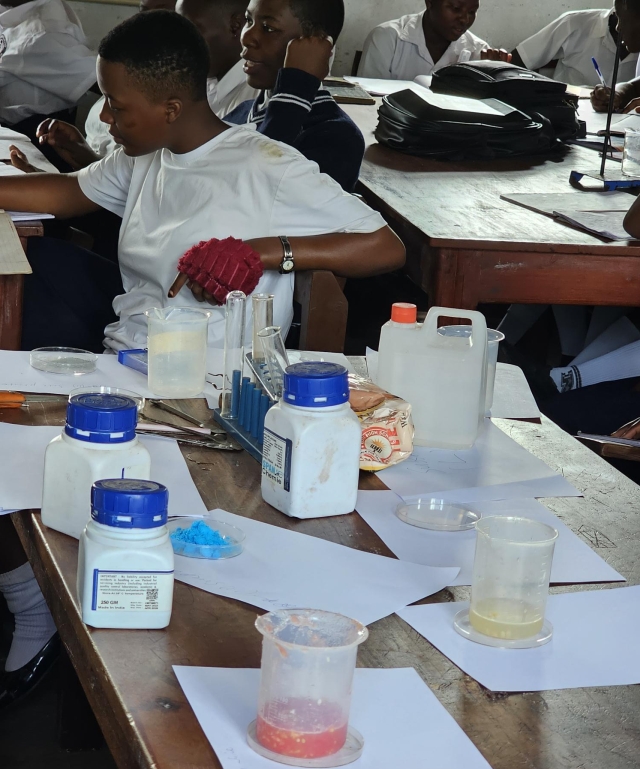
In addition, an outdoor field study along the Nyamwamba River enabled students to observe environmental and scientific phenomena directly. Guided by teachers, participants were encouraged to ask questions and connect classroom concepts with real-world contexts, making the learning experience both interactive and memorable.
Focus on Examination Skills
An important component of Science Week was support for examination preparation. Two experienced national examiners provided dedicated tutorial sessions, explaining how examinations are assessed and how marks are awarded.
Students received practical advice on answering techniques, time management, and strategies for maximising performance in science subjects. This direct insight into examination processes is particularly valuable in helping students translate their knowledge into measurable academic success.
A Supportive Learning Environment
To ensure that students could fully engage in the intensive program, the school provided daily refreshments, and the week concluded with a shared meal for the entire school community.
Such measures contribute to a positive and inclusive learning environment, reinforcing motivation and creating a sense of shared achievement among students, teachers, and facilitators.
Scientific Temper Perspective
Scientific Temper supports educational initiatives that strengthen scientific literacy, critical thinking, and evidence-based reasoning. Science Week at Kasese Municipal High Humanist School is a concrete example of how targeted support can create meaningful educational impact.
Three aspects are particularly relevant from our perspective:
- First, the integration of theory and practice. Hands-on experiments and field studies allow students to experience science as a method for understanding the world, rather than as a purely abstract subject.
- Second, the focus on critical thinking and examination literacy. Understanding how knowledge is evaluated helps students move beyond rote learning and develop structured reasoning skills.
- Third, the importance of motivation and community. Providing a supportive environment, including shared activities and recognition of effort, strengthens students’ engagement with learning.
The feedback from the school indicates that students gained not only knowledge and practical skills but also renewed confidence and motivation. This aligns with Scientific Temper’s broader goal of empowering young people to approach the world with curiosity, rational inquiry, and a commitment to evidence-based thinking.
Outlook
Scientific Temper intends to continue and expand its support for science education initiatives of this kind. Another Science Week is already planned for later this year, building on the positive experience and strong results achieved in June.
Beyond Kasese, Scientific Temper is also exploring opportunities to support similar programs in additional schools in Africa and India. The aim is to extend access to high-quality science education, practical learning experiences, and critical thinking tools to a broader group of students.
Science Week 2026 demonstrates that focused interventions can make a measurable difference. Expanding such initiatives has the potential to multiply this impact and strengthen the scientific temper as a foundation for education across different regions.
- Details
- Written by: Amardeo Sarma
In September 2025, the Kasese Humanist School in western Uganda hosted its first Science Week – a vibrant celebration of curiosity, critical thinking, and the power of education. Supported by Scientific Temper, the event brought together students, teachers, and community members to explore science through experiments, talks, and interactive activities.
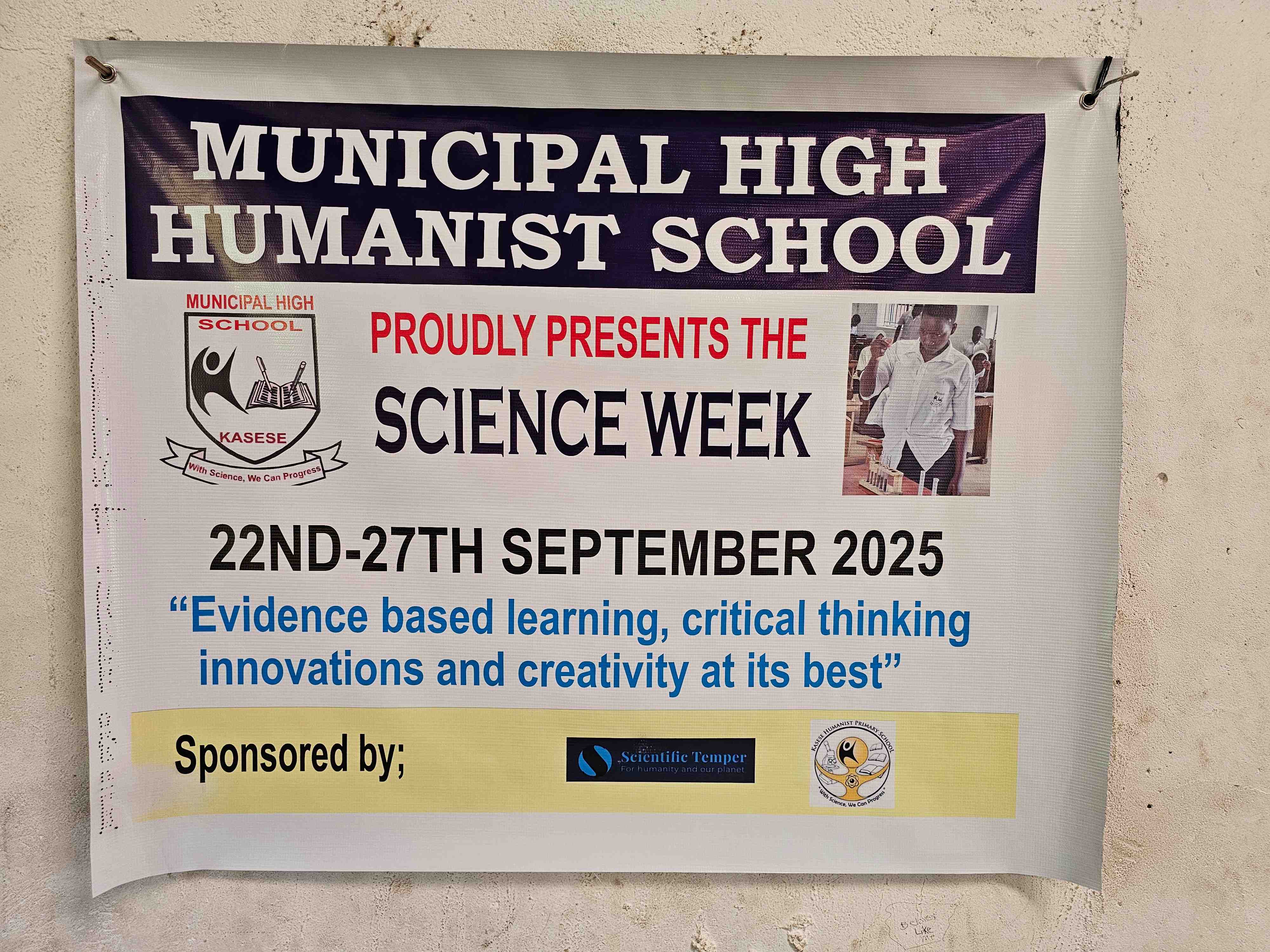
The week highlighted the importance of science education in addressing local and global challenges. From understanding climate change to exploring health and technology, students engaged with real-world issues through a scientific lens. The event also emphasized humanist values, encouraging open inquiry, evidence-based thinking, and respect for reason.
For Scientific Temper, supporting this initiative is part of a broader commitment: to promote universal thinking and empower young people—especially in the Global South—with the tools to shape their own futures. Africa is a continent of the future, and education is key to unlocking its potential.
You can read the full English version of the article on Substack here:
👉 Science Week in Uganda – Education and Empowerment in Action
- Details
- Written by: Amardeo Sarma
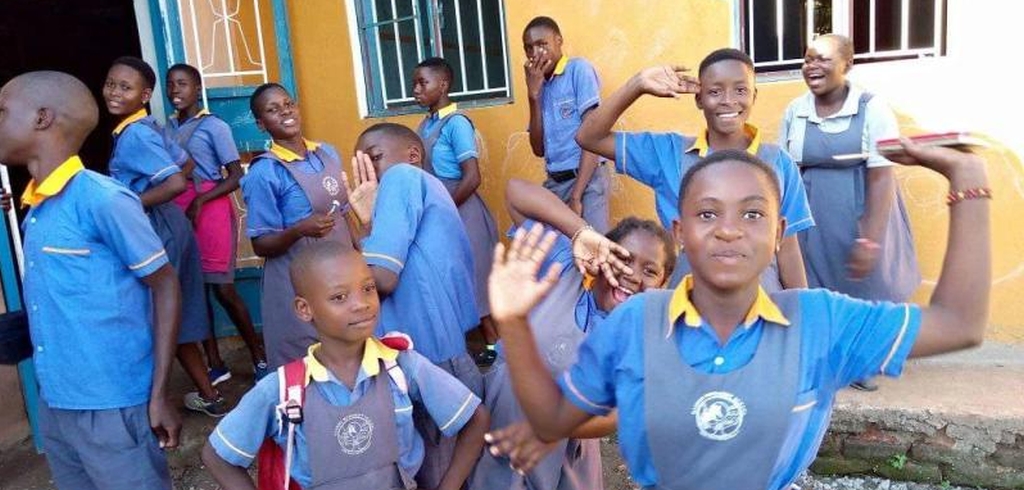
Scientific Temper has supported the Kasese Humanist School in Uganda through various initiatives to enhance students' educational experiences. This support has been made possible thanks to the generous contributions from our donors, both individuals and foundations, and we hope to continue these activities with their ongoing support.
Highlights
Scientific Temper provided laboratory materials for the secondary section of the Kasese Humanist School. These materials have significantly improved the learning process, particularly in practical chemistry, biology, and physics examinations. The school's director, Robert Bwambale Musubaho, expressed gratitude for the continued support, emphasizing that progress is achievable with science.
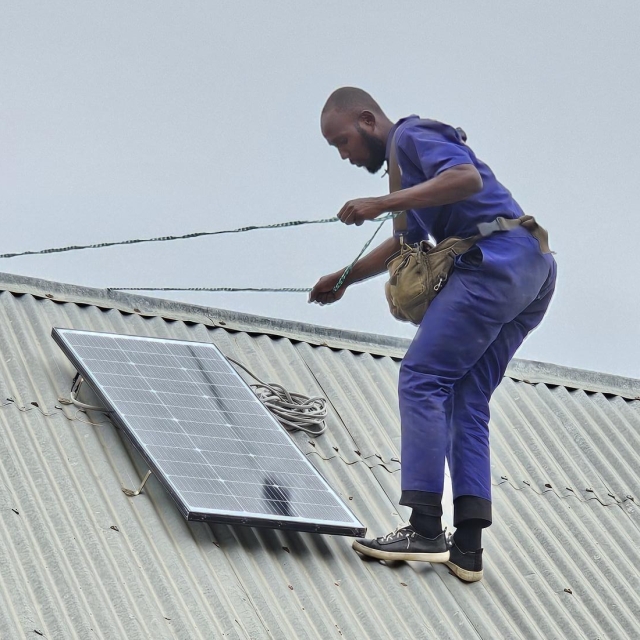
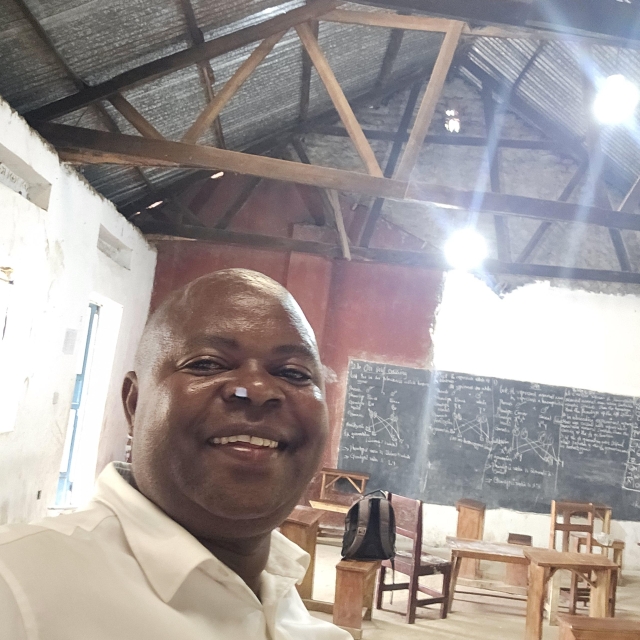
With our funding, the school has illuminated the Rukoki school campus, including classrooms, the school hall, the library, and the laboratory. Solar lights were also installed in the Municipal High Humanist School office and the boys' and girls' dormitories. This initiative has enhanced the safety and learning environment for the students.
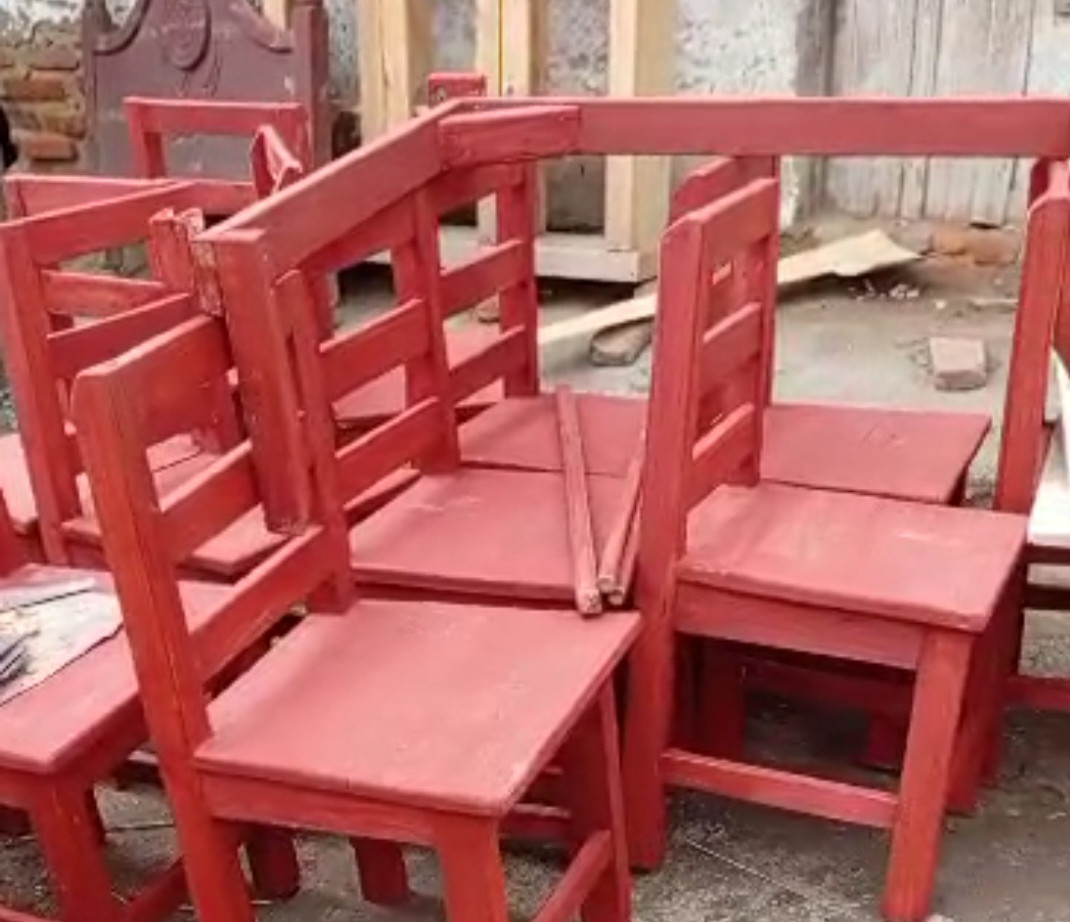
To further improve the school's learning conditions, we funded 20 classroom chairs, which have been coated with varnish to enhance the students' comfort while learning. The wooden tables were added to the science laboratory, and metallic benches were added to the library, making students' concentration possible while using the library. We will continue to help improve the school's infrastructure.
Acknowledgment and Future Support
These achievements were only possible due to the gracious donations from our supporters. We extend our heartfelt thanks to all donors and hope for their continued generosity in sustaining and expanding these vital activities. The Giordano Bruno Foundation has also pledged its support for Scientific Temper, reinforcing our mission to promote a scientifically open-minded attitude and advance science education.
We also thank Dr Benedikt Matenaer for his involvement in significantly increasing our donations.
The school director, Musubaho, writes, "The future of Uganda lies in empowering young people with education and skills. Science knowledge provides a great foundation for achieving this. Thanks to Scientific Temper for supporting our school project.”
Please check here to see how you can donate to help us sustain our support for the school.
- Details
- Written by: Amardeo Sarma
Thanks to donations from and via Dr Benedikt Matenaer, we were able to continue our support of the Kasese Humanist School in Uganda.
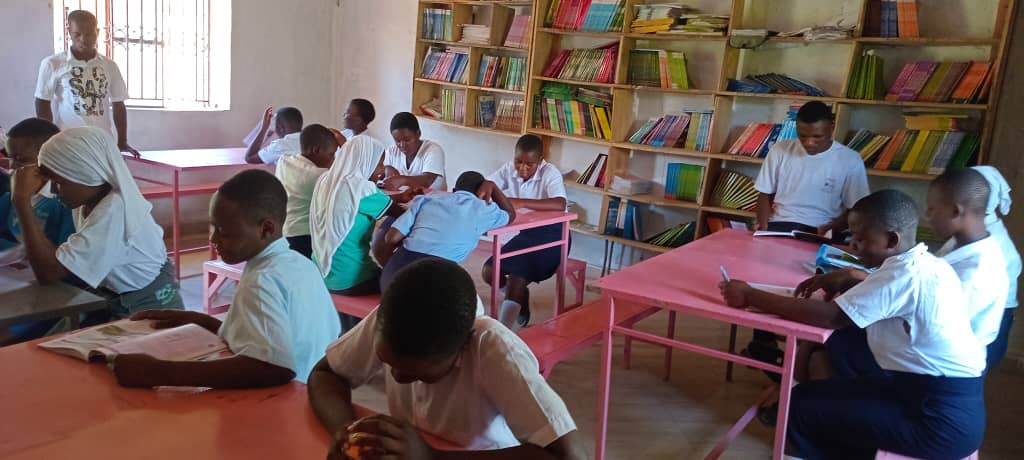
This time, our support was used to equip the library. Not everything is finished yet, but the students can already sit more comfortably.
The school reports on this on its homepage.
The 20 chairs that are to be set up in the classrooms have been coated with a layer of varnish so that the students at the Municipal High Humanist School, a secondary wing of the Kasese Humanist School, can sit better while learning. The tables are still being worked on.
- Details
- Written by: Amardeo Sarma
Our support has helped light up the Rukoki school campus, which is well illuminated at night. Lights were installed in the classrooms for the entire secondary school, the school hall, the library, and the laboratory. Solar lights were also added in the Municipal High Humanist School office. The boys' and girls' dormitories have also benefitted.
At Scientific Temper, we are glad to see our support being used to help the pupils. Keep up the good work!