
 Deutsch (Deutschland)
  English (United Kingdom)
 Amardeo Sarma, Managing Director
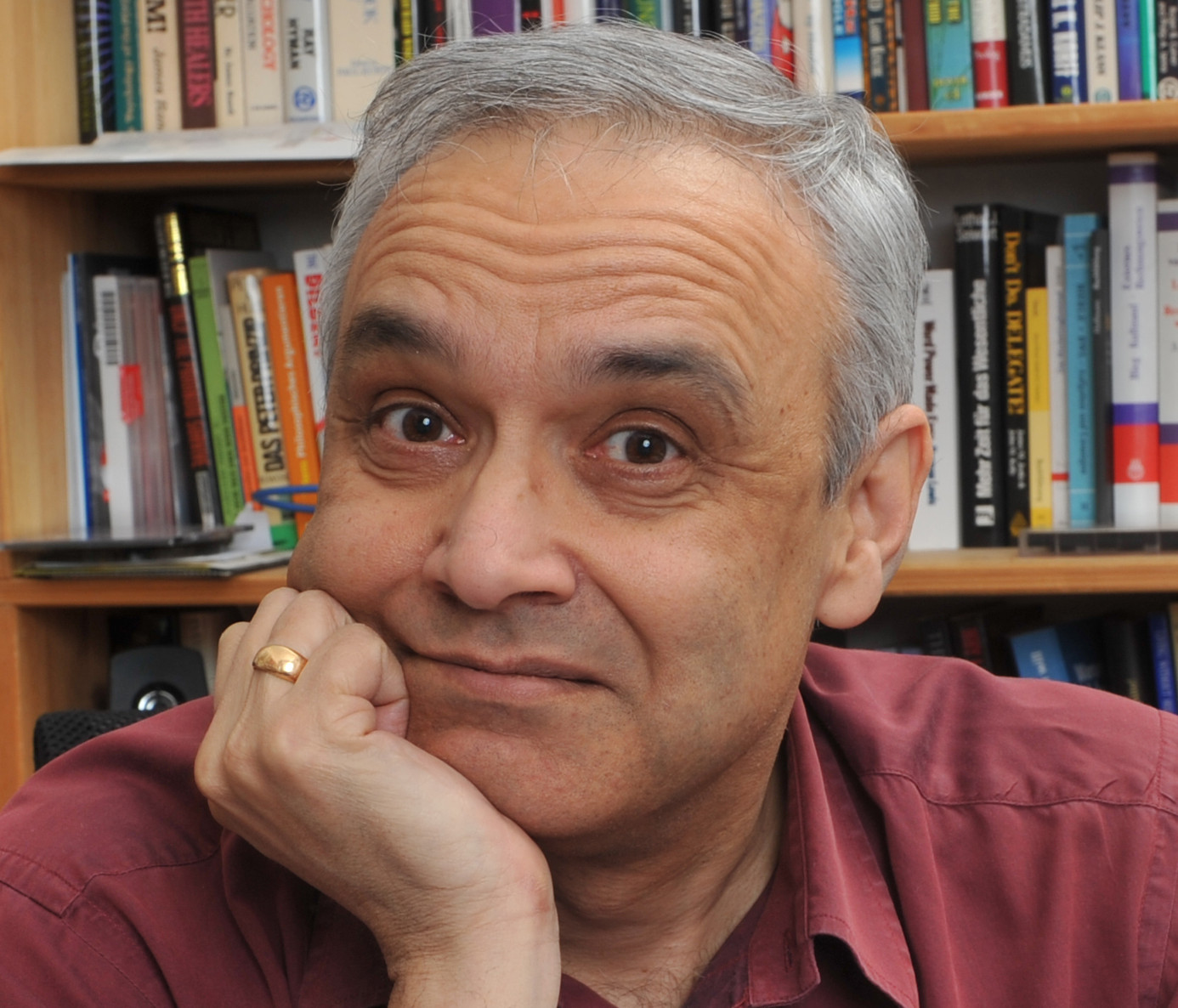 Amardeo Sarma is an engineer with degrees in electrical engineering from IIT Delhi and TU Darmstadt and has been active in the skeptical movement since the mid-1980s. He co-founded GWUP, ECSO, WePlanet and the SDL Forum Society. He is committed to science and critical thinking and has recently written increasingly about global warming, rational solutions, and countering myths about nuclear energy. He has also written on the Shroud of Turin, the historicity of Jesus, modern agriculture and homoeopathy. He coordinated the GWUP's first dowsing test in 1991, published the results in Skeptiker and clashed with parapsychologists. He co-founded the association Ökomoderne e. V., now a German-speaking section of WePlanet. In 2023, together with two others, he founded the non-profit company Scientific Temper gUG (haftungsbeschränkt), which promotes scientific thinking, education, especially in schools worldwide, and rational solutions to pending problems. Professionally, he has worked in telecommunications, specification languages and security. Amardeo was General Manager at NEC Laboratories GmbH until 2023 and is now Managing Director of Scientific Temper. He has been a member of the SPD for 45 years.
Manfred Körkel, Director
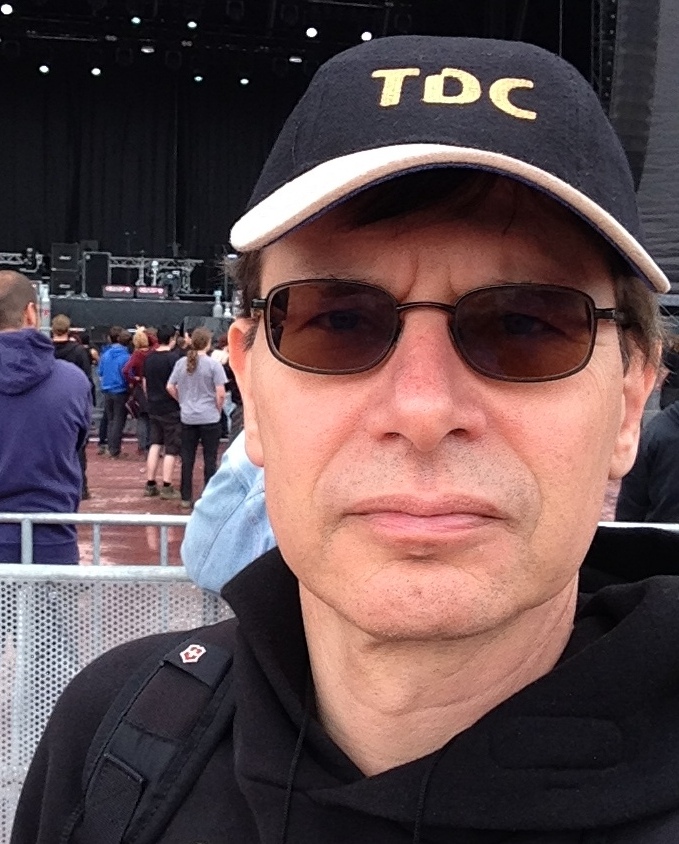 Manfred Feodor Körkel studied communications engineering at Darmstadt Technical University and one semester of music theory with Johannes Fritsch at the Akademie für Tonkunst. He wrote his doctoral thesis on a mathematical decision problem that is difficult to solve. Feodor has been working with Amardeo Sarma in the sceptic movement since the mid-1980s and is a founding member of the GWUP. He was also fortunate enough to work with James Randi at the GWUP dowsing test in Kassel in 1990. He also dealt with false theories about the Egyptian pyramids. In addition to his scientific interests, he has regularly taken part in musicological conferences since 1978. Feodor is particularly interested in the theoretical foundations of evolutionary cognition und epistemology. Professionally, he has worked in the telecommunications industry on the algorithmic treatment of difficult mathematical optimisation problems. Feodor represents a left-liberal universalist position.
Hans Ajiet Holtkamp, Director
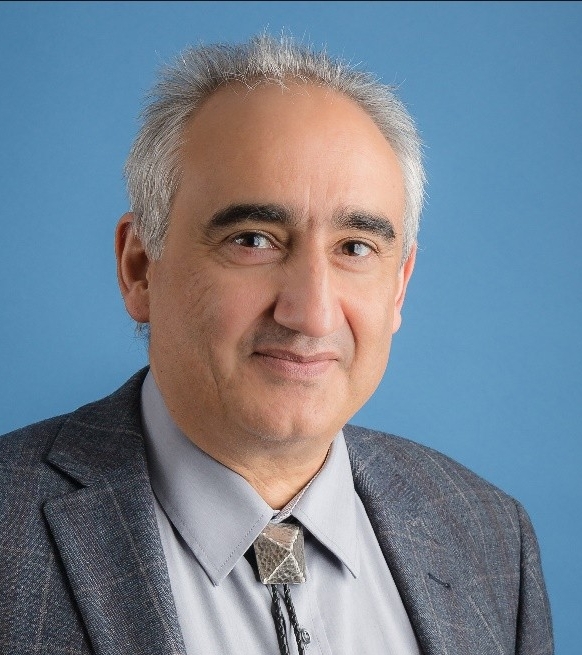 Hans Ajiet Holtkamp is a graduate physicist, has been managing director of disynet GmbH, and co-founder of GWUP, WePlanet DACH. e.V. (formerly Ökomoderne e.V.) and now the Scientific Temper gUG. Since attending Prof. Heinloth's experimental physics lecture in 1984 (Enquete Commission on the Protection of the Earth's Atmosphere of the German Bundestag), he has been trying to draw attention to the dangers of anthropogenic climate change. In 1986, he wrote two articles about climate change for the magazine “Stör-Operator” of the physics student council in Bonn. He became a Party of the Humanists member shortly after its foundation in 2014 to give fact- and evidence-based politics a chance. He was a member of the federal and state executive boards and a candidate for the Party of the Humanists for the North Rhine-Westphalia state association in the 2017 federal election. He was the author/co-author of the party's first position papers on nuclear energy/climate. The universalism and universalistic claim of the 1948 Universal Declaration of Human Rights are close to his heart.
Luke Jakob, Research Associate
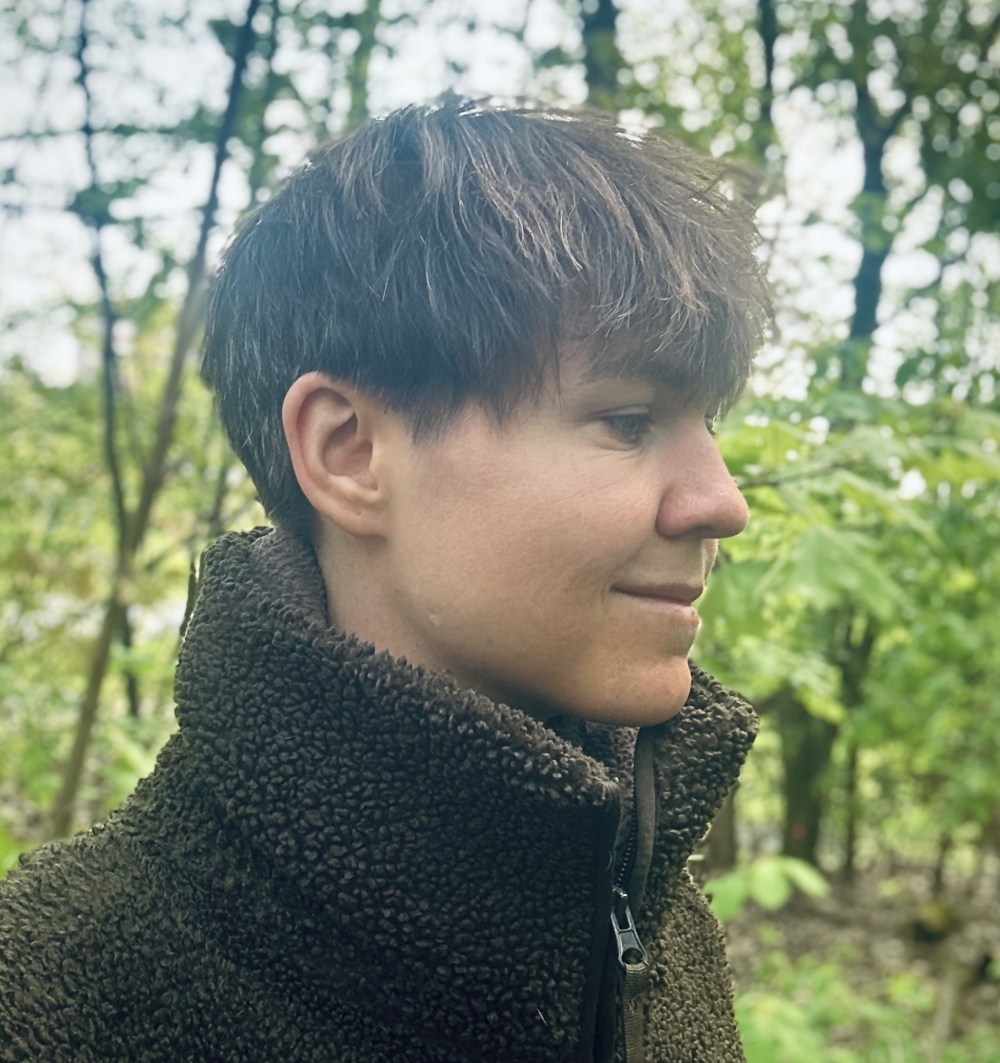 Luke Jakob is a psychologist with a master's degree in cognitive psychology from Justus Liebig University in Giessen. In his master's thesis, he focused on the perception, dissemination, and emotional evaluation of fake news, as well as preventive approaches to curbing disinformation. He is particularly interested in the cognitive mechanisms that promote polarization, science skepticism, radicalization, and conspiracy mentality - and in the extent to which critical thinking can act as a protective factor or as a tool for deradicalization. In addition, he is interested in interdisciplinary scientific issues and is committed to understandable and evidence-based science communication. He joined Scientific Temper in March 2025 to work toward an enlightened, science-friendly, and humanist society.
Jim Alcock
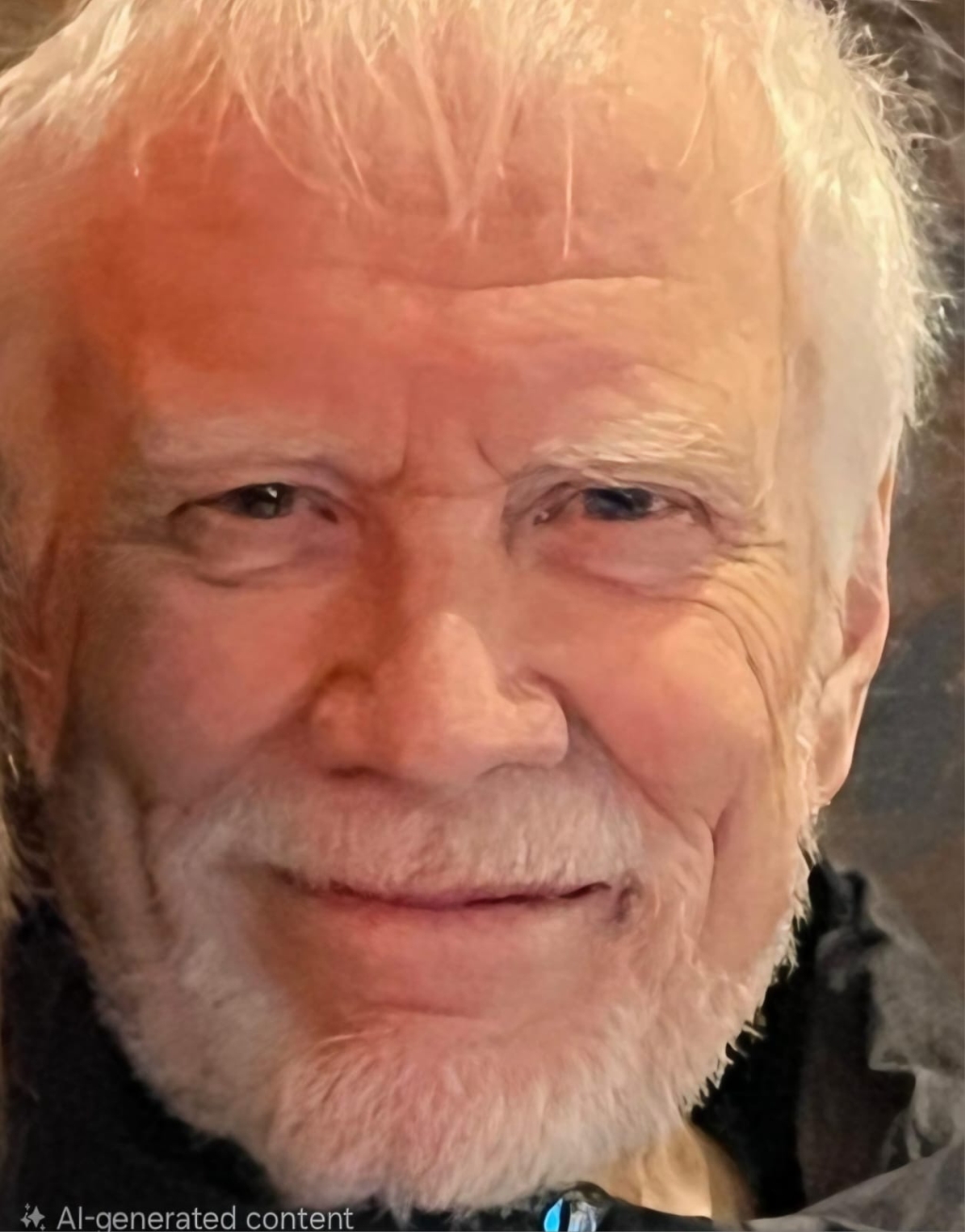 Jim Alcock (born 1942) is a Canadian psychologist and science communicator who is one of the leading figures in the international skeptical movement. After earning a degree in physics from McGill University, he completed a PhD in social psychology at McMaster University. He spent most of his academic career at York University in Toronto, where he was a Professor of Psychology and is now Professor Emeritus.
Alcock's research focuses on the psychology of belief, human reasoning, and the critical evaluation of extraordinary claims. He is internationally recognised for his scholarly work examining paranormal and pseudoscientific claims through the lens of scientific inquiry. He is a Fellow of the Committee for Skeptical Inquiry (CSI) and has served in leadership and editorial roles within the organisation for many years.
Through his numerous academic publications, books and public lectures, Alcock has helped to promote critical thinking, scientific literacy and evidence-based reasoning. In recognition of his contributions to skepticism and the public understanding of science, he received the prestigious In "Praise of Reason Award" from CSI.
Judith Faessler
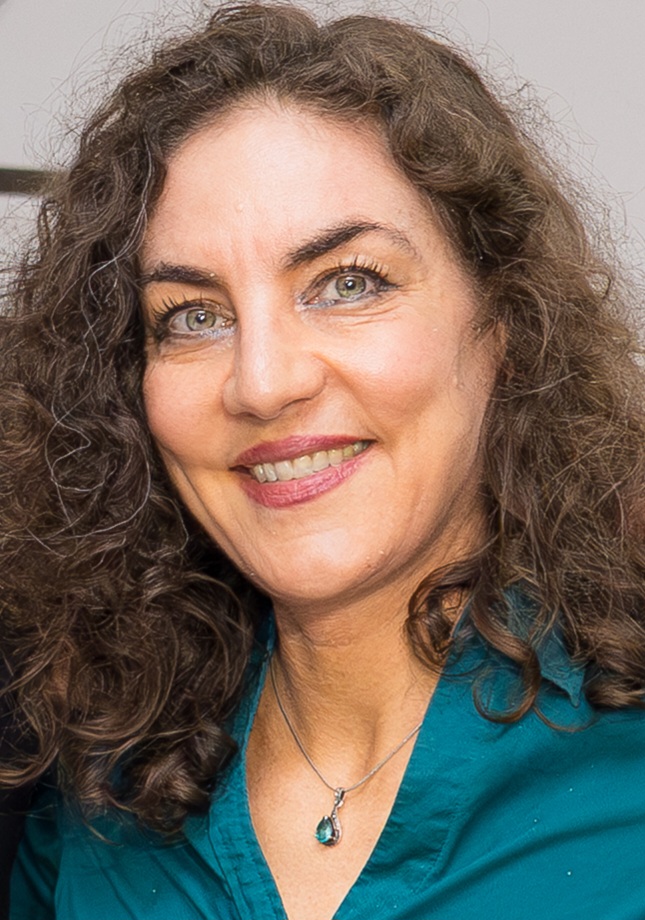
Judith Faessler (born in 1971 in Geneva) is a historian, Orientalist, and expert on political and religious ideologies and their impact on democratic societies. After completing her secondary education in France, she studied Oriental Studies, history, and philosophy at Ludwig Maximilian University of Munich.
Her academic interests include the Middle East, the history of political ideas, and the philosophy of science. Since 2001, she has worked as a research associate at the Bavarian State Office for the Protection of the Constitution, where she focuses on issues related to the democratic rule of law, political extremism—particularly right-wing extremism—and societal threats to liberal orders.
Faessler speaks several modern and historical languages, including German, English, French, Persian, Arabic, and Turkish. In addition to her professional work, she is publicly committed to defending democracy, human rights, and an open society. Her convictions are also shaped by her family history: her grandfather, Max Mannheimer, was a Holocaust survivor, and her grandmother was active in the resistance against National Socialism.
Leo Igwe
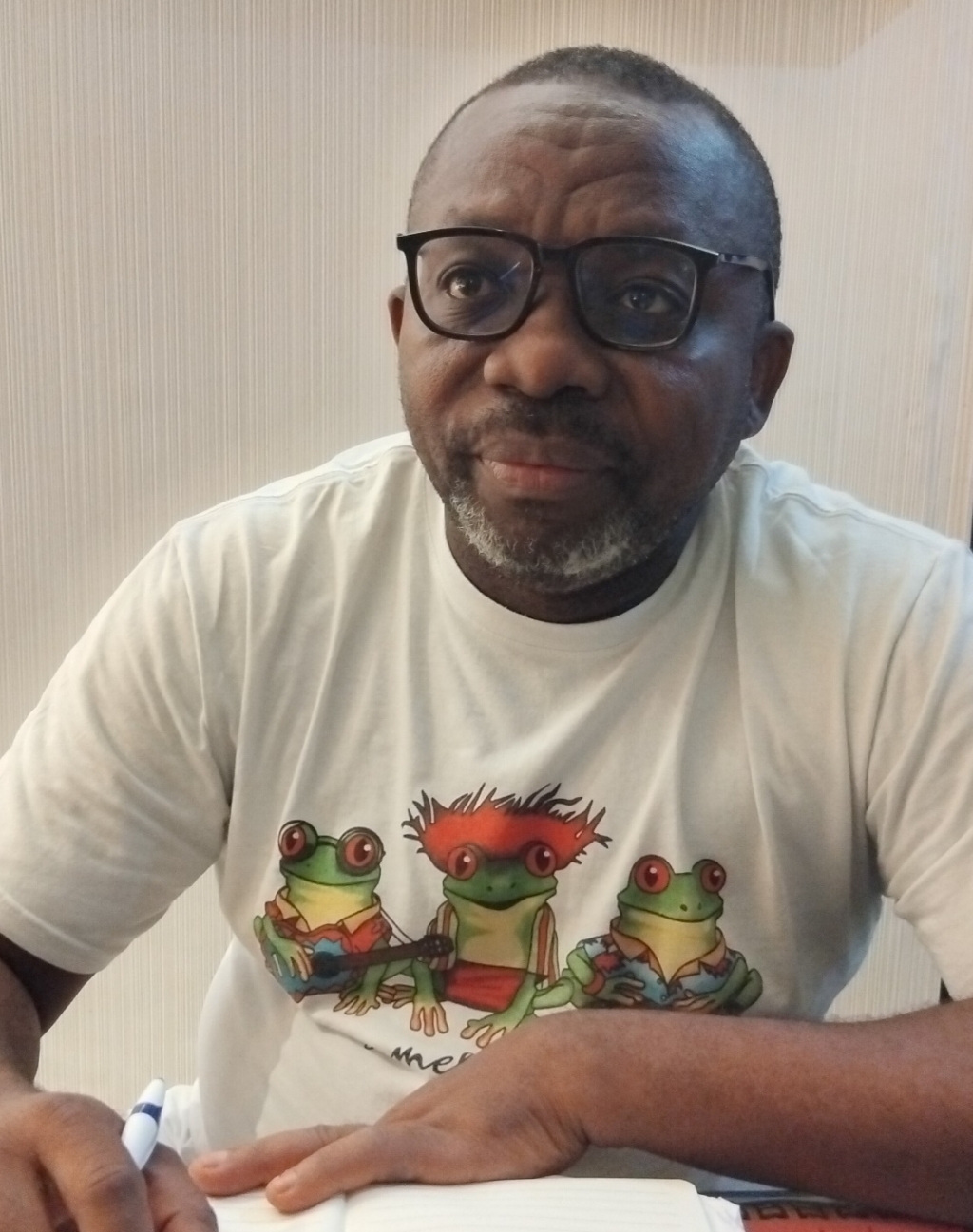 Leo Igwe is a Nigerian philosopher, scholar of religion, and internationally recognised human rights and education advocate. He earned his PhD in the Study of Religions from the University of Bayreuth, Germany, in 2017, focusing on witchcraft accusations in Ghana. Most recently, he served as a Postdoctoral Research Fellow at the University of Cape Town, South Africa. He currently leads the Critical Thinking Social Empowerment Foundation and Advocacy for Alleged Witches in Nigeria.
His work focuses on critical thinking, religion, humanism, human rights, and the challenge of superstition and witchcraft accusations in Africa. He has taught at the Central European University in Budapest, the Catholic University of Applied Sciences in Munich, and the University of Cape Town.
Dr Igwe is the author of numerous academic publications and book chapters, including contributions to The Cambridge History of Atheism. He has served in several international leadership roles, including as Vice-President of Humanists International, and is widely known for promoting reason, education, and human dignity across Africa.
Meera Nanda
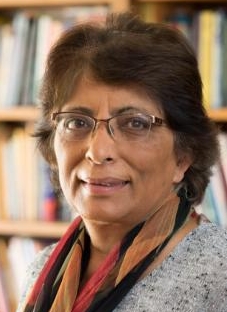 Meera Nanda (born 1954) is an Indian historian and philosopher of science, as well as an
author and public intellectual. Having trained as both a scientist and a science studies
scholar, she earned a PhD in Biotechnology from the Indian Institute of Technology (IIT),
Delhi, and a second PhD in Science Studies from the Rensselaer Polytechnic Institute in
the United States. Her work lies at the intersection of the natural sciences, the history
of science, and the philosophy of knowledge.
Meera Nanda (born 1954) is an Indian historian and philosopher of science, as well as an
author and public intellectual. Having trained as both a scientist and a science studies
scholar, she earned a PhD in Biotechnology from the Indian Institute of Technology (IIT),
Delhi, and a second PhD in Science Studies from the Rensselaer Polytechnic Institute in
the United States. Her work lies at the intersection of the natural sciences, the history
of science, and the philosophy of knowledge.
She taught the history and philosophy of science at the Indian Institute of Science Education and Research (IISER) in Mohali and later served as guest faculty at IISER in Pune. Her scholarship focuses on the relationship between science, religion, politics and society, as well as the challenges facing scientific reasoning in contemporary democracies.
She is internationally renowned for her critiques of pseudoscience, religious nationalism, postmodernism and postcolonial approaches to science. Her best-known books include Prophets Facing Backward, The God Market, Science in Saffron, and, more recently, A Field Guide to Post-Truth India and Postcolonial Theory and the Making of Hindu Nationalism. In 2023, she became a Fellow of the Committee for Skeptical Inquiry (CSI).
Through her research, writing and public engagement, Nanda has become a prominent advocate of scientific rationality, secularism and the universal nature of scientific inquiry. Her work has made a significant contribution to international debates on science, democracy, pluralism, and the defence of evidence-based knowledge.
Narendra Nayak
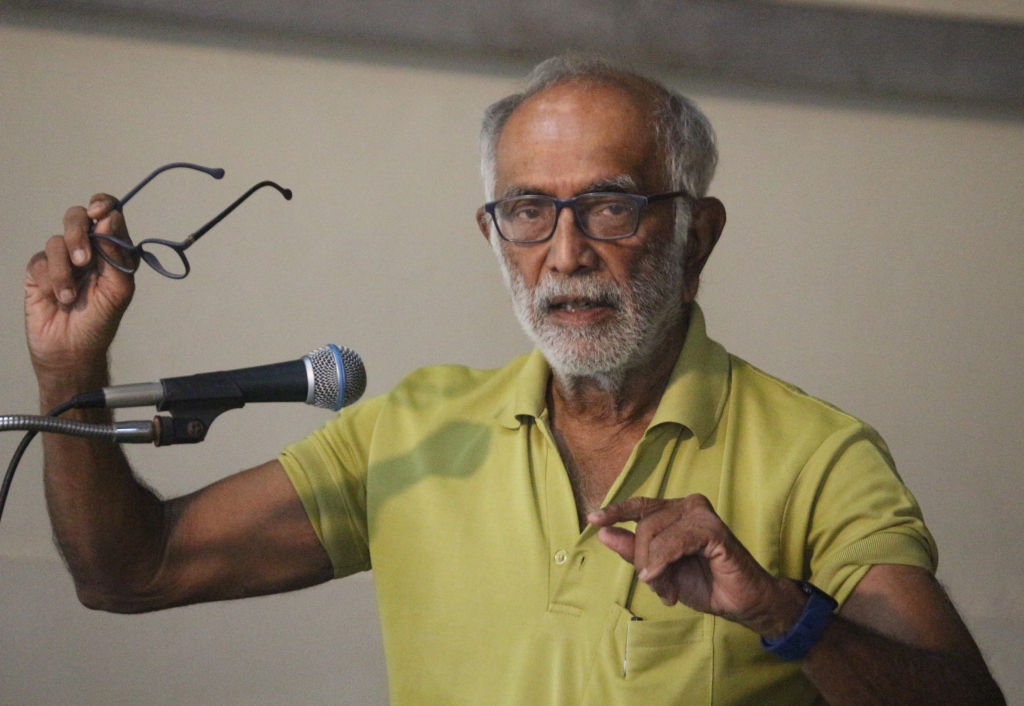 Narendra Nayak (born 1951) is an Indian biochemist, educator, and one of the country's leading advocates of scientific temper, critical thinking, and secular humanism. After studying chemistry at Loyola College in Madras and medical biochemistry at Kasturba Medical College in Manipal, he pursued a career in research and academia. He worked at Kasturba Medical College from 1978 to 2006, during which time he was promoted to Assistant Professor. He then left academia to devote himself full-time to public outreach and rationalist activism.
In 1976, he founded the Dakshina Kannada Rationalist Association, and he later became involved in consumer education, human rights and science communication. Since 2004, he has served as president of the Federation of Indian Rationalist Associations (FIRA), India's national umbrella organisation for rationalist groups.
Through lectures, teacher training programmes, science workshops, and public demonstrations that expose so-called miracles and supernatural claims, Nayak has reached audiences across India. His lifelong commitment to evidence-based thinking, science education and public awareness has earned him numerous national and international awards in recognition of his contributions to humanism, human rights and the promotion of a scientific mindset.
Rainer Rosenzweig
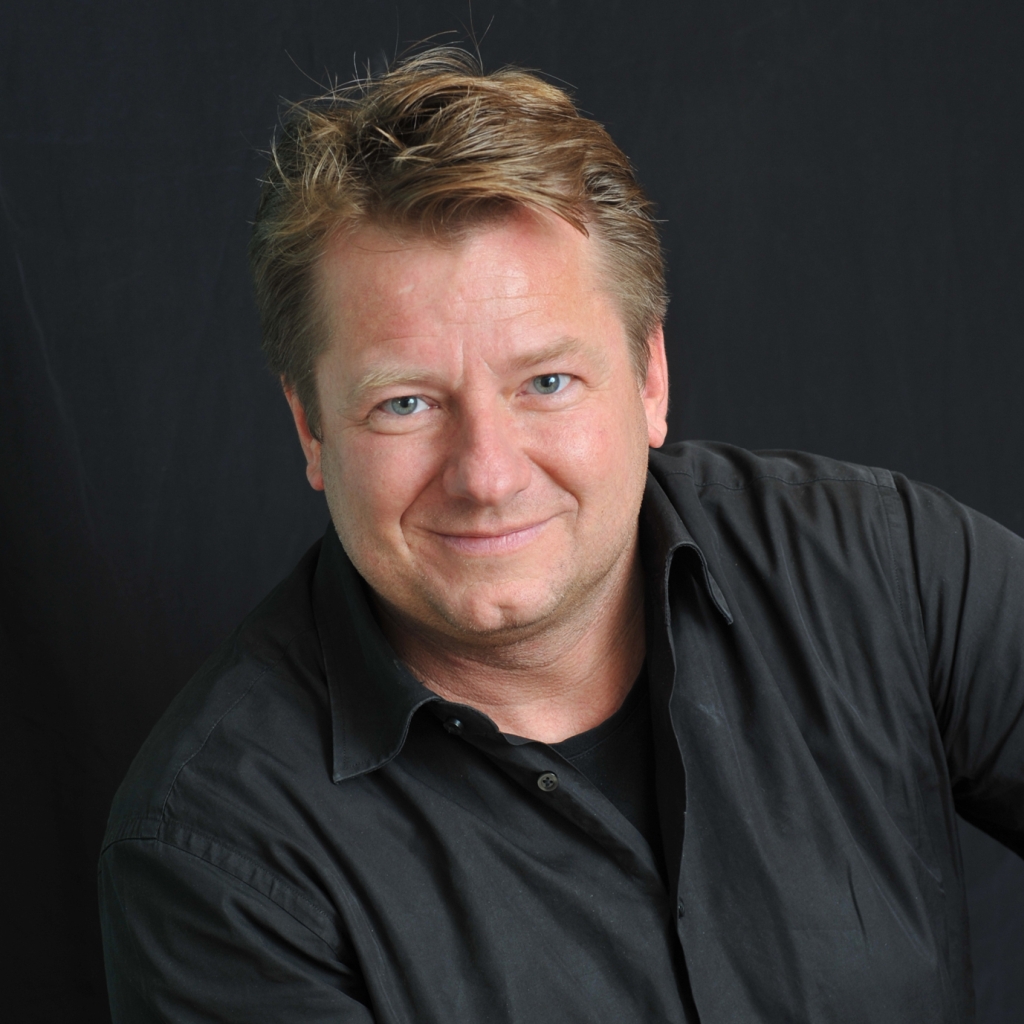
Rainer Rosenzweig is a mathematician, psychologist specialising in perception, and science communicator. After studying mathematics, he completed his PhD in the field of perceptual psychology and now works in science management. He also lectures at the Technische Hochschule Nürnberg. In his work, he combines scientific research with public dialogue on perception, cognition and critical thinking.
He is committed to communicating scientific findings to society; to this end, he founded the Kortizes Institute for Popular Scientific Discourse and continues to lead it to this day. Kortizes brings together scientists, education professionals and the general public in an interdisciplinary exchange on current issues in science, philosophy and society.
Furthermore, Rosenzweig is actively involved in numerous organisations within the secular-humanist and science-oriented civil society. He is a board member of the Central Council of Non-Denominational People, President of the Humanist Press Service (hpd) and a member of the Scientific Council of the Society for the Scientific Investigation of Parasciences (GWUP). Through his teaching, his journalistic work and his wide-ranging involvement, he champions scientific education, critical thinking and an enlightened, open society.
Anna Veronika Wendland
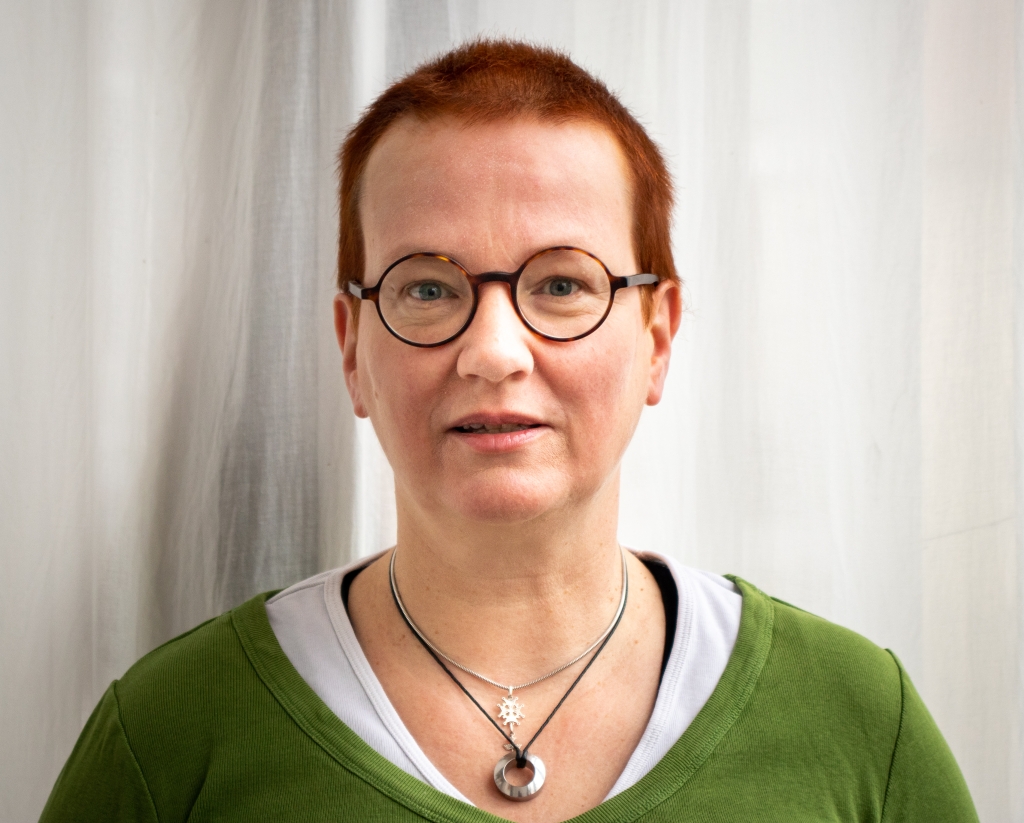 Anna Veronika Wendland (born 1966) is a German historian specialising in Eastern Europe and technology. She is also a public intellectual and an expert on security, technology, and societal change. Born in Cologne, she studied History, Political Science and Slavic Studies in Cologne and Kyiv, Ukraine. After earning her doctorate at the University of Cologne, she completed her habilitation at the University of Marburg, where she now lectures in modern and contemporary history.
Her research combines Ukrainian studies with science and technology studies. Her work focuses on the history of Ukraine, nation-building, and memory cultures, as well as the interactions between technology, society, and security in modern industrial societies. She is particularly renowned for her research on nuclear safety, nuclear work, and safety cultures in complex technological systems. As part of this work, she spent several years conducting field research as an industrial anthropologist in the European nuclear industry.
Since Russia’s full-scale invasion of Ukraine, she has become a widely respected expert, consulted by the media and policymakers on Ukrainian history, nuclear safety and European energy policy. Through her research, publications and public engagement, she promotes evidence-based policymaking and scientific rationality, advocating for the resilience of open, democratic societies.
Support our work and projects such as the Kasese-Schule and the German „Mein Kopf gehört mir“ initiative.


You will be redirected to PayPal/Stripe. Their privacy policies apply.
Support via SEPA bank transfer
Scientific Temper gUG
IBAN: DE09 5085 0150 0080 0117 92
amount adjustable.
“Science is more than a body of knowledge. It is a way of thinking; a way of skeptically interrogating the universe with a fine understanding of human fallibility.” – Carl Sagan
In an increasingly polarised world, we need more than just facts. We need a mindset. Scientific Temper embodies critical thinking, intellectual honesty and openness, transcending ideologies and cultures. Popularised by Jawaharlal Nehru, the term now represents a global idea: It unites the values of the Enlightenment and modern science, overcoming division and fostering dialogue.
Our Approach
Societies need an environment in which questions are welcomed, doubt has its place and arguments are cherished. At Scientific Temper, we support educational initiatives, public engagement and international cooperation, including our long-standing partnership with the Kasese Humanist School in Uganda. Our current focus is on equipping classrooms, providing science laboratory materials and supporting Science Week in September 2025 – a project designed to inspire young people to explore science and critical thinking.
Read more on the school’s blog: Science Week at Kasese Humanist School.
We also support the 'Mein Kopf gehört mir' (My Mind Belongs to Me) initiative by the Giordano Bruno Foundation, which promotes worldview-neutral education and encourages independent thinking in schools.
Your Support Makes a Difference
Your donation primarily supports our partner school in Kasese, Uganda. You help provide essential resources and opportunities for young people to develop scientific curiosity and critical thinking, where it’s needed most.
👉 Donate or learn more ➜
Please note: Donation receipts can only be issued within Germany and the EU. For other ways to support the school directly, visit the Kasese Humanist School website.
Stay informed: Subscribe to our newsletter for updates on our projects, progress, and events.
A Personal Note
“I believe Scientific Temper is more than a concept. It is a mindset that our societies urgently need. With your support, we can promote it in the area where it matters most: education.”
– Amardeo Sarma, Managing Director, Scientific Temper
Empower young minds with science-based learning.
Science is more than facts – it’s a mindset. Help us promote this way of thinking where it matters most: in education. Scientific thinking begins in school.
Uganda — Kasese Humanist School
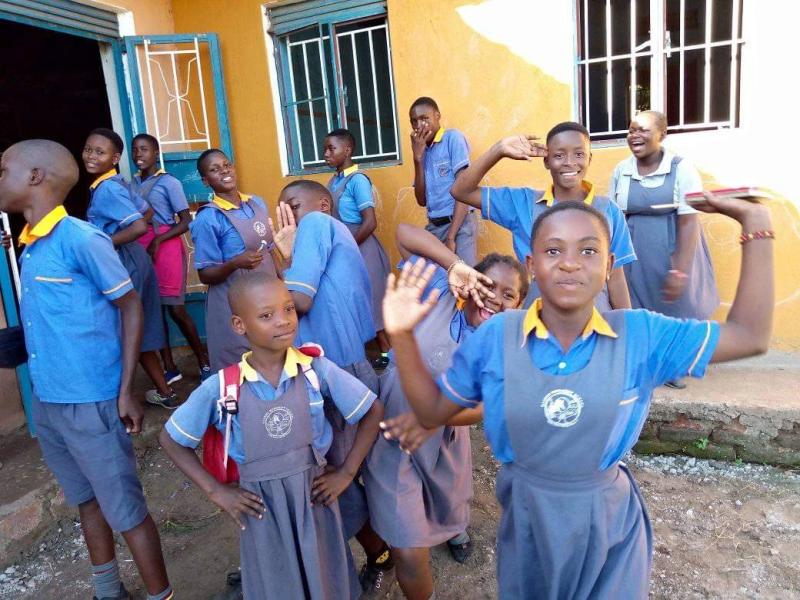
We support the Kasese Humanist School, one of the first explicitly humanist school communities in East Africa. Your donation helps provide:
- Materials for experiments and workshops for the science week in Spring 2026 and beyond
- A safe, inclusive environment grounded in reason and compassion
- Prizes for student science projects
Germany — “Mein Kopf gehört mir” (2026 Launch)

In Germany, we support the development of a new school initiative grounded in critical thinking, science literacy, and resilience against misinformation. Donations will enable:
- Curriculum development with educators and experts
- Classroom materials and workshops
- Nationwide outreach in 2026
🔬 Why Your Support Matters
Scientific education empowers young people to:
- Think critically
- Understand the world through evidence
- Resist misinformation
- Make informed decisions
- Build open, tolerant, knowledge-based communities
This is the core of Scientific Temper’s mission. All donations, until further notice, are for our education projects.
How to Donate
(Fast and secure with credit card, Apple Pay, etc.) Please note: You will be redirected to an external site. See Stripe’s privacy policy for details.
SEPA Bank Transfer
Scientific Temper gUG
IBAN: DE09 5085 0150 0080 0117 92
BIC: HELADEF1DAS
Tax Information
We are a registered non-profit organisation in Germany. Donation receipts can be issued for contributions from within Germany and the EU. If you are donating from outside Europe and want to support the Kasese school specifically, you can find donation options on the Kasese Humanist School website.
For within the EU: According to the decision of the Darmstadt tax office dated January 5, 2024, we meet the statutory requirements according to §§ 51, 59, 60 and 61 AO for the following charitable purposes
- Science and research
- Education, public and vocational training
- Environmental protection
- Development cooperation
Donation receipt
You will receive a donation receipt for amounts of €50 or more. In Germany, a transfer of up to € 300 is tax-deductible without a receipt. Outside Germany, you may need to check with your country's tax office.
Stay Connected
Subscribe to our newsletter to receive updates on our projects, progress, and events like the Science Week.
Scientific Temper was defined as early as 1898 as " A modest open-minded temper—a temper ever ready to welcome new light, new knowledge, new experiments, even when their results are unfavourable to preconceived opinions and long-cherished theories."
With this attitude, we promote science, enlightenment and the separation of reliable knowledge from fallacies that do not stand up to scientific scrutiny.
Science constantly brings us new and amazing insights and provides the means to improve our lives. At the same time, it is also attacked and belittled. Fake news, non-science and pseudo-science are not always easy to recognise.
We see this tension as a challenge and, at the same time, want to contribute to better science-orientated education at an early stage.
We complement, expand and support science-oriented individuals and organisations with similar goals. These include educational institutions, schools, skeptical organisations, science-oriented NGOs such as WePlanet, and secular and humanist organisations.
Four Central Areas
Scientific Temper will be active in four sometimes overlapping areas:
- science and critical thinking through events, publications and research,
- education, through the production of science-based information material and direct teaching,
- science-based information and studies aimed at a sustainable environment while ensuring human development and well-being,
- global support for schools that promote science-based education.
The Team
Amardeo Sarma, Managing Director
Amardeo Sarma is an engineer with degrees in electrical engineering from IIT Delhi and TU Darmstadt and has been active in the skeptical movement since the mid-1980s. He co-founded GWUP, ECSO, WePlanet and the SDL Forum Society. He is committed to science and critical thinking and has recently written increasingly about global warming, rational solutions, and countering myths about nuclear energy. He has also written on the Shroud of Turin, the historicity of Jesus, modern agriculture and homoeopathy. He coordinated the GWUP's first dowsing test in 1991, published the results in Skeptiker and clashed with parapsychologists. He co-founded the association Ökomoderne e. V., now a German-speaking section of WePlanet. In 2023, together with two others, he founded the non-profit company Scientific Temper gUG (haftungsbeschränkt), which promotes scientific thinking, education, especially in schools worldwide, and rational solutions to pending problems. Professionally, he has worked in telecommunications, specification languages and security. Amardeo was General Manager at NEC Laboratories GmbH until 2023 and is now Managing Director of Scientific Temper. He has been a member of the SPD for 45 years.
Dr. Manfred Körkel, Director
Manfred Feodor Körkel studied communications engineering at Darmstadt Technical University and one semester of music theory with Johannes Fritsch at the Akademie für Tonkunst. He wrote his doctoral thesis on a mathematical decision problem that is difficult to solve. Feodor has been working with Amardeo Sarma in the sceptic movement since the mid-1980s and is a founding member of the GWUP. He was also fortunate enough to work with James Randi at the GWUP dowsing test in Kassel in 1990. He also dealt with false theories about the Egyptian pyramids. In addition to his scientific interests, he has regularly taken part in musicological conferences since 1978. Feodor is particularly interested in the theoretical foundations of evolutionary cognition und epistemology. Professionally, he has worked in the telecommunications industry on the algorithmic treatment of difficult mathematical optimisation problems. Feodor represents a left-liberal universalist position.
Hans Ajiet Holtkamp, Director
Hans Ajiet Holtkamp is a graduate physicist, has been managing director of disynet GmbH, and co-founder of GWUP, WePlanet DACH. e.V. (formerly Ökomoderne e.V.) and now the Scientific Temper gUG. Since attending Prof. Heinloth's experimental physics lecture in 1984 (Enquete Commission on the Protection of the Earth's Atmosphere of the German Bundestag), he has been trying to draw attention to the dangers of anthropogenic climate change. In 1986, he wrote two articles about climate change for the magazine “Stör-Operator” of the physics student council in Bonn. He became a Party of the Humanists member shortly after its foundation in 2014 to give fact- and evidence-based politics a chance. He was a member of the federal and state executive boards and a candidate for the Party of the Humanists for the North Rhine-Westphalia state association in the 2017 federal election. He was the author/co-author of the party's first position papers on nuclear energy/climate. The universalism and universalistic claim of the 1948 Universal Declaration of Human Rights are close to his heart.
Luke Jakob, Research Associate
Luke Jakob is a psychologist with a master's degree in cognitive psychology from Justus Liebig University in Giessen. In his master's thesis, he focused on the perception, dissemination, and emotional evaluation of fake news, as well as preventive approaches to curbing disinformation. He is particularly interested in the cognitive mechanisms that promote polarization, science skepticism, radicalization, and conspiracy mentality - and in the extent to which critical thinking can act as a protective factor or as a tool for deradicalization. In addition, he is interested in interdisciplinary scientific issues and is committed to understandable and evidence-based science communication. He joined Scientific Temper in March 2025 to work toward an enlightened, science-friendly, and humanist society.